
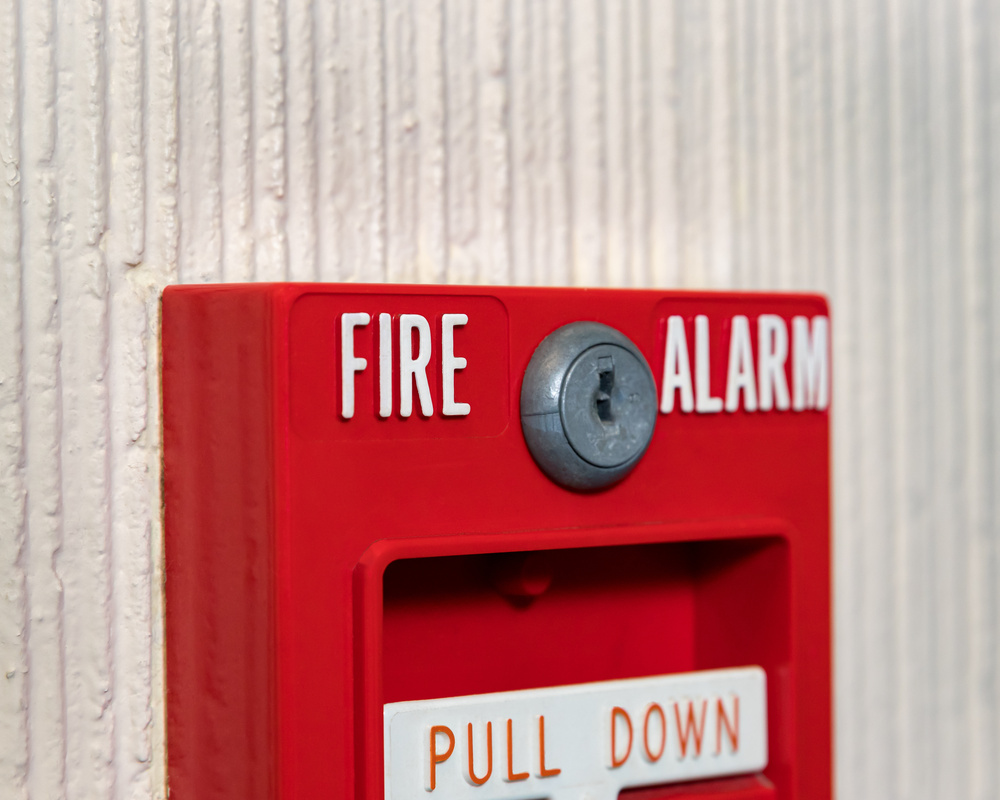
A commercial fire alarm that keeps going off is not always a simple nuisance. At R.P. Biederman Co., Inc., we support businesses across the Greater Cincinnati and Dayton region by identifying the real cause behind recurring alarms. Our team focuses on restoring reliable, code-compliant system performance for commercial facilities. We work with facility managers, property owners, and contractors to reduce downtime and improve system reliability.
Key Takeaways
- A single chirp at regular intervals usually indicates a backup battery or power-related issue, not an active emergency condition.
- Dust, debris, and environmental conditions commonly trigger nuisance alarms in commercial and industrial buildings.
- Wiring faults and aging devices often create recurring issues that basic troubleshooting cannot resolve.
- A qualified fire alarm technician should evaluate repeated alarms or panel faults to maintain system reliability and compliance.
Hidden Fire Alarm Issues Professional Inspections Can Detect
Short-term fixes can mask deeper system-level problems. Accurate diagnosis supports long-term performance and reduces unnecessary disruptions. Many of these issues are identified during professional fire alarm services that go beyond basic troubleshooting and visual inspection. These services help uncover hidden faults that are not visible during routine maintenance checks.
Low Battery Signals in Backup Power Systems
A hardwired system that chirps every 30 to 60 seconds often indicates a low backup battery. Commercial fire alarm panels rely on backup power during outages, and voltage drops trigger warning signals. According to the NFPA 72 National Fire Alarm and Signaling Code, backup power must be maintained to ensure system reliability. Checking panel indicators helps confirm whether the issue is power-related before escalating further. Ignoring these signals can lead to system failure during an actual emergency.
Dust and Debris Inside the Sensor Chamber
Dust accumulation inside detector chambers is a common cause of nuisance alarms in warehouses, kitchens, and manufacturing facilities. Airborne particles interfere with sensor readings and can trigger false alerts even without smoke or heat present. Routine inspection and cleaning, especially in high-dust environments, reduce these disruptions and support consistent system performance. Facilities with frequent activity or production processes should schedule regular maintenance to prevent buildup.
Wiring Faults in Hardwired Detector Loops
Loose or corroded wiring connections within detector loops can cause persistent alarm issues across multiple devices. These faults often return after resets and cannot be resolved through basic troubleshooting. Identifying the affected circuit requires panel-level diagnostics and testing performed by trained technicians with experience in commercial fire alarm systems. These issues are more common in older buildings where wiring has degraded over time.
Steps to Decide When Greater Cincinnati Businesses Need Professional Evaluation
Some issues can be handled in-house with proper procedures. Others require technical expertise to resolve safely and correctly. Businesses operating across areas we serve often experience similar challenges based on building age, system design, and environmental conditions. Knowing when to escalate helps prevent ongoing disruptions and compliance risks.
Confirm Whether the Pattern Matches a Known Fault Type
Different alarm patterns point to specific causes. A single chirp typically signals a battery issue, while repeated alarm sequences may indicate detection events or system faults. Documenting the pattern, timing, and affected devices helps streamline troubleshooting and improves diagnostic accuracy during service visits. Clear documentation also reduces service time and repeat visits.
Rule Out Simple Battery and Power Issues First
Before requesting service, confirm that batteries are within their replacement cycle and properly installed. Many nuisance alarms are resolved at this stage. If the issue continues after replacement, the cause is likely electrical or system-related and requires further evaluation using commercial-grade diagnostic tools. Consistent battery maintenance is one of the simplest ways to prevent recurring issues.
Check for Multiple Devices Reporting the Same Fault
When multiple detectors in the same zone report issues, the problem is rarely isolated. This often points to wiring faults, grounding issues, or panel-level errors. Tracking affected zones and recent system changes helps technicians isolate the issue quickly and reduce downtime during inspection and repair. The UL Fire Alarm System Standards also emphasize proper system integrity for reliable operation.
Get Your Commercial Fire Alarm System Evaluated
Recurring fire alarm issues should not be ignored or repeatedly silenced. If your facility in the Greater Cincinnati or Dayton area is experiencing ongoing alarms or system faults, R.P. Biederman Company can evaluate your system and identify the underlying cause.
Contact us to schedule an inspection with a qualified specialist. Early evaluation helps prevent system failure and supports code compliance.
Frequently Asked Questions
How do you stop a fire alarm from beeping?
Identify the beeping pattern before taking action. A single chirp usually indicates a low battery, while continuous alarms may signal detection or system faults. Replace batteries and contact a technician if the issue continues.
Why does my fire alarm beep every 30 seconds?
A chirp every 30 seconds usually indicates a low backup battery in a hardwired system. This warning alerts staff to replace the battery. If the sound continues, a wiring or panel issue may be present.
What does a fire alarm sound like when it detects carbon monoxide?
Combination detectors use a distinct beep pattern for carbon monoxide alerts that differs from smoke alarms. The sequence depends on the manufacturer, so staff should reference system documentation to identify and respond correctly.
Why is my wired fire alarm beeping?
Hardwired systems may beep due to low backup batteries, wiring faults, or environmental interference. If replacing the battery does not resolve the issue, the system likely requires professional inspection to identify the underlying fault.