
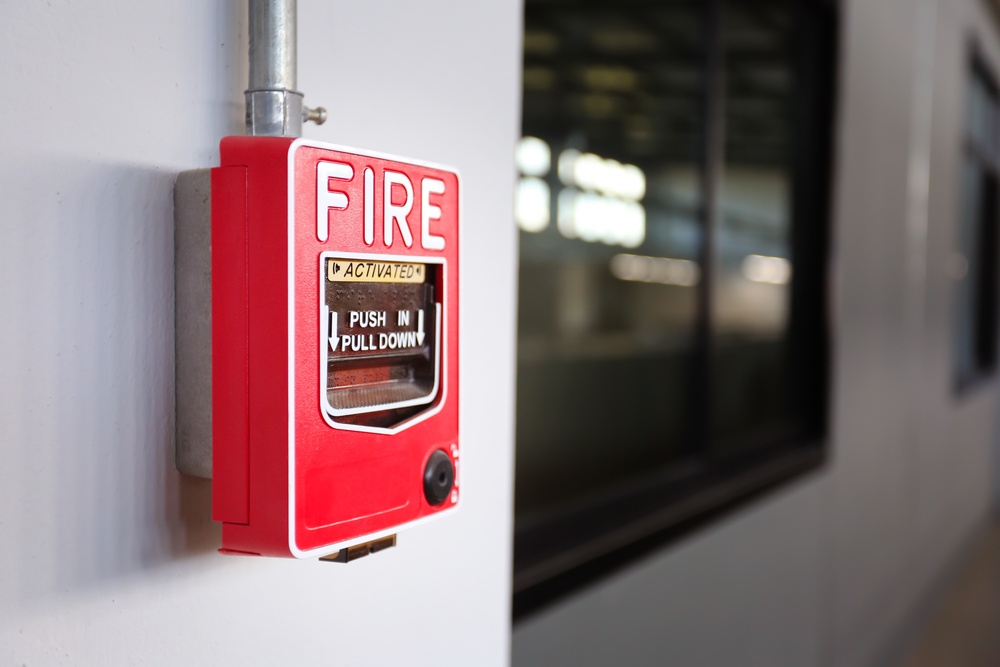
Commercial fire alarm inspections play a critical role in protecting buildings, occupants, and owners across Hamilton, OH. In commercial buildings, fire alarm systems and commercial fire alarm systems detect smoke and other warning signs through smoke detectors, control panels, and notification devices that alert occupants quickly when a fire occurs.
Regular inspections help ensure fire alarm systems function properly, meet local fire code and National Fire Protection Association requirements, support insurance coverage, ensure compliance, and reduce risk, property damage, and liability for commercial properties.
Key Takeaways
- Commercial fire alarm inspections help protect lives, property, and business continuity in Hamilton commercial buildings.
- Regular inspections reduce liability exposure, support insurance requirements, and help ensure compliance with fire code and local regulations.
- Inspections help verify that fire alarm systems, smoke detectors, control panels, and other alarm system components function properly.
- Proactive testing, visual inspections, and maintenance reduce risk, property damage, and improve performance during real fire incidents involving commercial properties.
What Commercial Fire Alarm Inspections Protect Ohio Building Owners From
Commercial properties face several risks when fire alarm systems are not properly inspected. These risks can affect safety, finances, legal responsibility, and overall fire protection readiness, including how well fire protection systems work together.
Each area below highlights a specific concern that inspections help address.
Liability Exposure and Legal Risk
For building owners in Hamilton, an uninspected or poorly maintained fire alarm system can create serious liability issues. If a fire occurs and alarms fail to alert occupants, owners may face legal action tied to injuries, property damage, or loss of life.
Regular testing and inspection of alarm systems, notification appliances, emergency lights, fire extinguishers, and fire protection systems, supported by experienced technical services, help demonstrate due diligence and a commitment to protecting lives, employees, and customers.
Insurance Claim Denials and Coverage Gaps
Insurance providers often expect documented inspection, testing, and maintenance of commercial fire alarm systems and related fire protection equipment. When inspections are missed, insurers may deny claims or cite unmet insurance requirements after fire incidents.
Routine inspections that verify smoke detectors, control panels, automatic sprinkler system interfaces, and alarm system components help protect insurance coverage and reduce the risk of denied claims for commercial buildings.
Planning for Compliance and Managing Impairments
Compliance involves more than completing scheduled inspections. It requires documentation, coordination, and clearly assigned responsibility across the facilities we support throughout our service areas in Southwest Ohio and Northern Kentucky.
System Failure During Real Fire Incidents
A fire-alarm system that has not been regularly inspected may fail when it matters most. Undetected issues such as damaged wiring, faulty notification devices, non-functioning emergency lights, or disconnected sprinkler system interfaces can prevent occupants from being alerted.
Industry guidance from organizations reinforces the importance of inspections that verify fire protection systems are ready to function properly during emergencies.
How to Plan Inspection Frequency and Responsibilities in Southwest Ohio
Planning inspections require understanding timing, responsibility, and coordination.
For Hamilton property owners, a clear plan helps ensure ongoing compliance and system performance across all fire-protection systems.
Understanding Inspection Intervals and Testing Schedules
Commercial fire alarm systems require regular visual inspections, testing, and documentation. Inspection frequency may vary based on system type, building use, and specific requirements under the fire code.
Industry insights shared through regional partnerships show how consistent schedules help ensure alarms, control panels, and notification devices are tested without gaps.
Assigning Owner Versus Tenant Responsibilities
In some commercial properties, inspection responsibilities are shared between owners and tenants. Clear agreements help prevent missed inspections or confusion about who is responsible for testing and repairs.
From a service-provider perspective, confirming responsibility up front supports accurate documentation and reliable inspection outcomes.
Coordinating Inspections With Other Fire Protection Systems
Fire-alarm systems often work alongside sprinkler systems, fire extinguishers, and other fire-protection systems. Coordinating inspections helps ensure these systems function together as designed. This approach reduces the risk of system conflicts and improves overall fire-safety readiness for commercial buildings.
Working With a Licensed Local Fire Alarm Provider
Choosing a licensed local provider familiar with Hamilton and Southwest Ohio requirements helps streamline inspections. A professional provider understands local fire-code expectations and can identify issues early.
This partnership supports compliance, system reliability, and long-term maintenance planning.
Schedule a Professional Fire Alarm Inspection to Protect Your Building
Protect your commercial property with professional fire-alarm inspections performed by experienced technicians. R.P. Biederman Company helps building owners in Hamilton, OH, ensure their fire-alarm systems meet safety and compliance expectations.
Contact us to discuss inspection planning or documentation needs.
Frequently Asked Questions
Are commercial fire alarm inspections legally required in Ohio?
Yes. Commercial fire-alarm inspections are typically required under the Ohio fire code and local regulations. These requirements help ensure alarm systems function properly and protect occupants. A licensed inspection provider can help confirm which rules apply to your specific building.
How often should fire alarm systems be inspected in Hamilton?
Inspection frequency depends on system type and building use, but many components require annual testing at a minimum. Some systems also require periodic visual inspections and functional testing throughout the year. Following a regular schedule helps ensure ongoing compliance.
What is included in a commercial fire alarm inspection?
A commercial fire-alarm inspection typically includes visual inspections, testing of alarm components, control panels, notification devices, and review of system documentation. Inspectors also identify small issues that may affect system performance if left unaddressed.
How do inspections affect insurance coverage and liability?
Regular inspections support insurance requirements and help reduce liability if a fire occurs. Documented inspections show that the building owner took steps to maintain fire-protection systems. This documentation can be critical when filing insurance claims or responding to legal questions after an incident.